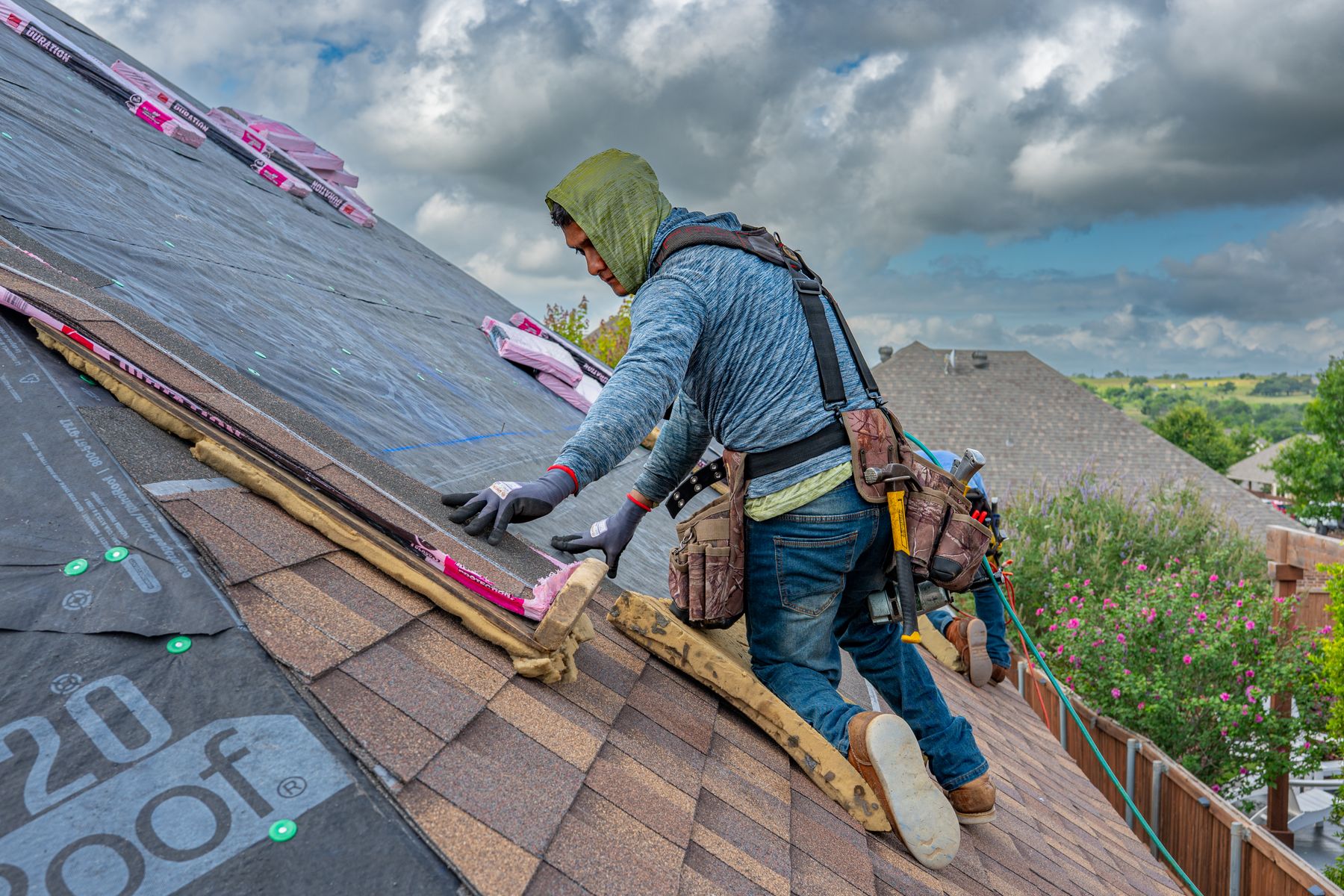
You do not need to diagnose the problem before calling. Tell SCS what you have noticed, then review the findings and recommended next steps with a project manager.
Know what you’re buyingMaterials, scope and price in writing
Know who answers for itA named project manager through completion
Bring the concern, not a diagnosis
A leak, visible damage, recent storm or an aging roof can all start the conversation. Explain where and when you noticed the issue, along with any previous repair history you know.
Where water or damage is visible
When the issue started and whether it changes with the weather
Previous repairs and any available records
Questions about repair, replacement or planning ahead
What you don’t see matters.
See the parts that can help explain a roof concern. These checkpoints illustrate questions to discuss; access and the agreed inspection scope determine what can be reviewed at your property.
What an inspection looks for
01 / Surface
Details vary by project.
Scroll to explore the inspection
01 / Surface
Start with the visible condition.
The covering can show wear, displaced material or other concerns. An inspection connects what is visible with the issue you have described, rather than deciding from appearance alone.
Ask before you commit
What does the visible condition tell us, and what still needs a closer look?
02 / Transitions
Look where materials meet.
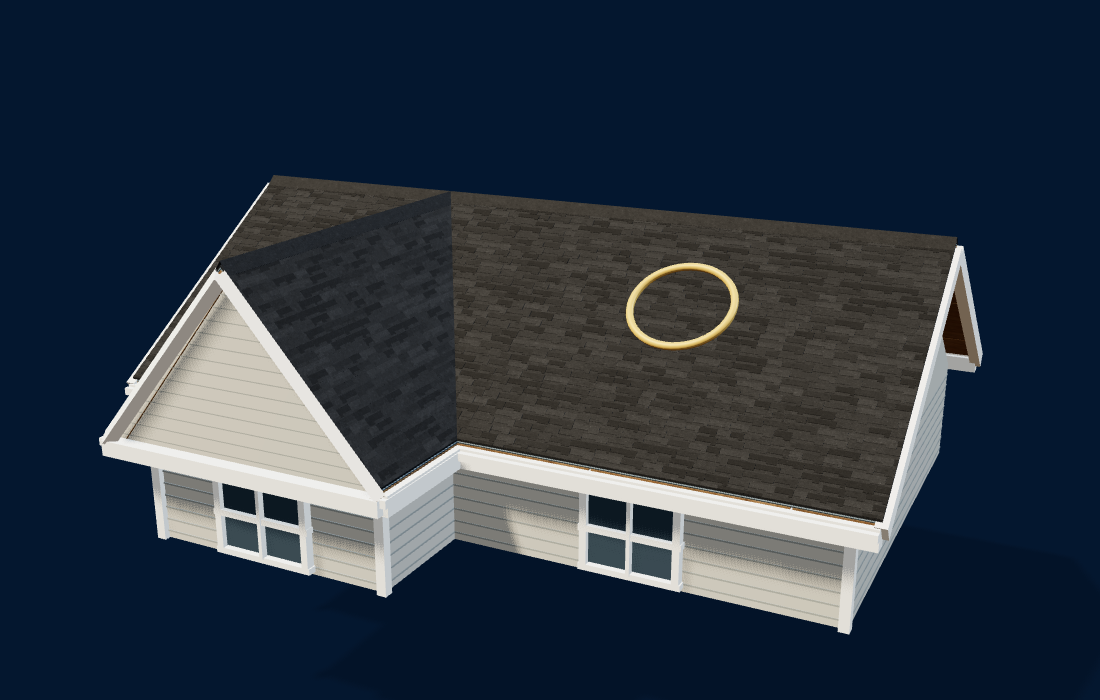
Edges, valleys and roof penetrations are important places to discuss when tracing water entry. The gold details identify example checkpoints, not diagnosed damage.
Ask before you commit
Which transitions could explain the concern at my home?
03 / Below the roof
Ask what can be checked underneath.
The cutaway exposes supporting layers and the attic. Ask what is accessible and included, how ventilation is considered, and how any limits on the inspection will be explained.
Ask before you commit
What can be reviewed beneath the covering, and what cannot be confirmed yet?
04 / Findings
Turn observations into a clear next step.
Ask to see the documented findings, the reasons behind a recommendation and the scope of any proposed work. A model is a learning tool; your own property needs its own review.
Ask before you commit
Can you show me the findings and explain the recommended next step?
The purpose of the inspection is to establish the condition and explain a sensible next step. Review the photos and findings with your project manager, including any areas that could not be assessed and what would be needed to understand them.
Observed condition and supporting photos
The reason behind the recommendation
Repair and replacement considerations where both are viable
What remains uncertain or requires further review
Decide after the condition is explained
Requesting an inspection starts a conversation about the property. Before authorizing construction, review the written work, materials, exclusions and price. Ask what changes would need your approval if additional damage is discovered.
Prepare for the visit
Share the property location and access arrangements when scheduling is confirmed. Photos taken from the ground or inside the home can help explain your concern; there is no need to climb onto the roof to prepare a request.
Common questions
Do I need to know whether the roof needs repair or replacement?
No. Describe the problem you see. The assessment and explained findings come before a recommendation about the work.
What should I put in the inspection request?
Include the property ZIP code, the concern, when you noticed it and any access details. Mention an active leak so SCS understands the situation before the conversation.
Does an inspection determine an insurance outcome?
An inspection documents the roof condition. Coverage and claim decisions are separate matters for your insurer; the inspection is not a promise of coverage or payment.
Get a free on-site estimate. See what needs attention, why the work is recommended and what is included in the price, so you can make a decision you understand.